Flying can be exciting, but the cost of tickets often doesn’t tell the whole story. Many people find themselves confused by the extra charges that pop up. This guide helps you understand these fees. We will look at different airlines and what they charge. You will learn how to compare them. This way, you can save money and fly smarter.
Comparing airline fees means looking beyond the ticket price. It involves understanding charges for bags, seats, and other services. This guide breaks down these costs. It helps you find the most budget-friendly options. Knowing these fees saves you money and reduces travel stress.
What Are Airline Fees and Why Do They Exist?
Airlines use fees to make money. They also use them to cover costs. These costs include things like fuel and staff. Ticket prices alone might not cover everything. So, airlines add extra charges for services. Some fees are for things you might not need. Others are for services people often want.
Think of it like buying a car. The sticker price is one thing. But then you might pay for special features. Or you might pay for extra insurance. Airline fees work in a similar way. They let you pay only for what you use. This can sometimes make the base ticket price seem lower. But it’s important to know the total cost.
Fees can cover many things. They include bags you check at the counter. They also cover bags you bring onto the plane. Sometimes, you pay to pick your seat. Other times, there are fees for food or entertainment. Different airlines have different rules. This makes comparing them tricky.
The Big Fee Categories: What to Look For
Most airline fees fall into a few main groups. Knowing these groups helps you compare. You can then plan your trip better.
Checked Baggage Fees
This is one of the most common fees. Most airlines charge for your first checked bag. They often charge more for a second or third bag. The price can change based on how you book. Sometimes, booking online saves you money. Sometimes, paying at the airport costs more.
The weight and size of your bag also matter. If your bag is too heavy, you might pay an overweight fee. If it’s too big, it could be an oversized fee. These fees can add up quickly.
Carry-On Baggage Fees
Some airlines now charge for carry-on bags. This used to be rare. But more airlines are doing it. This means you pay to bring a bag into the cabin with you. These fees usually apply to smaller bags. Think about bags that fit under the seat.
Not all airlines charge for carry-ons. Some still let you bring one free. Others might charge for a larger carry-on bag. But let them store it in the overhead bin. It’s vital to check the airline’s policy. This is especially true for budget airlines.
Seat Selection Fees
Do you like to pick your seat? Most airlines now charge for this. The price depends on the seat. Seats at the front or with more legroom cost more. Standard seats might also have a small fee.
If you don’t pay to pick a seat, the airline will assign one. This often happens at check-in or at the gate. You might get a good seat. You might not. If you want to be sure, you’ll likely pay.
Change and Cancellation Fees
Life happens. Plans change. If you need to change or cancel your flight, fees can apply. These used to be very high. Many airlines have lowered or removed them for certain ticket types. But it’s not always true for all tickets.
Basic economy tickets are often the most restrictive. They might not allow any changes. Or they might have very high fees. Always check the rules before you buy.
Other Common Fees
There are other fees too. Some airlines charge for priority boarding. This lets you get on the plane first. You might pay for Wi-Fi on the plane. Or for movies and TV shows. Some charge for drinks and snacks. Even printing a boarding pass at the airport can sometimes cost money.
Comparing Major Airlines: A Closer Look
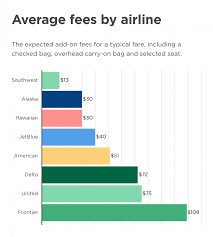
Let’s look at how some common airlines handle fees. Keep in mind these can change. Always check the airline’s official website.
American Airlines
American Airlines has a tiered system. For domestic flights, the first checked bag usually costs about $35. The second bag is more. They often charge for carry-on bags on their basic economy tickets. Seat selection fees vary widely. They can be a few dollars for a standard seat. They can be much higher for extra legroom or front-row seats.
Delta Air Lines
Delta’s fees are similar for domestic travel. Their first checked bag costs around $30. The second is more. Like American, they charge for carry-ons on basic economy fares. Seat selection fees are also common. These range from free to higher prices for preferred seats. Delta sometimes offers more flexibility with changes on certain tickets.
United Airlines
United also charges for checked bags on domestic flights. The first bag is typically around $35. The second bag costs more. They have basic economy fares that restrict carry-on bags. Seat selection fees apply. Prices depend on the seat location and type. United’s policies can change often.
Southwest Airlines
Southwest is known for being different. They often include two checked bags for free. This is a big plus for many travelers. They also let you bring a carry-on bag and a personal item for free. Seat selection is on a first-come, first-served basis. There are no fees for choosing a seat. However, their ticket prices might be slightly higher to cover these benefits.
Budget Airlines (Spirit, Frontier, Allegiant)
These airlines are built on low base fares. But they charge for almost everything else. Expect to pay for carry-on bags. Expect to pay for checked bags. Seat selection usually costs extra. Even printing a boarding pass at the airport can have a fee. These airlines can be very cheap if you pack light. You only bring a small personal item. You don’t pay for anything extra. But if you add bags and seats, the total cost can be high.
Understanding Fare Types: Basic Economy vs. Main Cabin
The type of fare you buy matters a lot.
Basic Economy
This is the cheapest ticket. It comes with the most restrictions. You usually cannot pick your seat. You might not be allowed a full-size carry-on bag. Changes and cancellations are often not allowed or very expensive. This fare is best for travelers with no plans to change their trip. They also pack very light.
Main Cabin (or Standard Economy)
This fare type is more flexible. You usually get a standard carry-on bag. You can often pick your seat for free or a small fee. You might have more options for changing or canceling your ticket. The ticket price is higher than basic economy. But the included services and flexibility can be worth it.
First Class and Business Class
These fares include many services for free. Checked bags are usually included. Seat selection is often free. You get more comfort and amenities. The prices are much higher. But for some travelers, the benefits are important.
Real-World Scenarios: When Fees Bite You
It’s easy to think about fees in theory. But they become real when you travel.
I remember a trip to Denver a few years ago. I was flying on a budget airline. I thought I had packed light. I had a backpack that fit under the seat. But at the gate, the agent said my backpack was too big. It was only a little bit too big. I had to pay a hefty fee to check it. It cost more than my actual plane ticket! I felt so annoyed. I had tried to save money. But I ended up paying more. That’s when I learned to always measure my bags. I also learned to check the airline’s rules very carefully.
Another time, I booked a flight for my family. We were flying for a holiday. I booked directly on the airline’s website. I didn’t notice I was picking a basic economy fare. My kids wanted to sit together. We got to the airport. I tried to select seats. The system said I had to pay. The fees were quite high for four seats together. I felt a bit foolish. I should have paid more attention when booking. Now, I always double-check the fare type. I also look at the seat map during booking.
Tips to Minimize Airline Fees
Saving money on airline fees is possible. It takes some planning.
Pack Light: The Ultimate Fee Saver
This is the most effective tip. If you can travel with only a personal item, you avoid checked bag fees. And you avoid carry-on fees if the airline charges for them. A small backpack or tote bag can hold a lot. You might need to be clever with packing. Rolling clothes helps save space.
Know Your Airline’s Policies
Before booking, visit the airline’s website. Look for their baggage rules. Check their fees for checked bags. See if they charge for carry-ons. Find out about seat selection costs. This research takes minutes. But it can save you hundreds of dollars.
Consider Airline Loyalty Programs
If you fly often, join airline loyalty programs. Many programs let you earn miles or points. You can use these for free flights. Some programs also give elite status. Elite members often get free checked bags. They might also get priority boarding or free seat upgrades.
Book Direct When Possible
While third-party sites can look cheaper, booking directly with the airline is often best. It makes managing your booking easier. It also makes it simpler to understand and pay fees. Sometimes, airlines offer better deals or more flexibility on their own sites.
Travel Off-Peak Times
Flight prices are often lower on Tuesdays and Wednesdays. Flying during less popular times can mean lower fares. This might also mean fewer fees. Sometimes, airlines offer discounts during these periods.
Look at Airlines That Include Bags
Southwest is a good example. They include checked bags for free. If you often check bags, a slightly higher Southwest fare might be cheaper overall. Compare the total cost, including all potential fees.
Infographic-Style Section: Carry-On vs. Checked Bag Costs
Carry-On vs. Checked Bag Costs: A Quick Look
Carry-On Bag
Typical Cost: $0 – $60+
When it’s Free: Main cabin on many airlines, personal item on most.
When it Costs: Basic economy fares, some budget airlines.
Pros: Saves time at baggage claim, reduces risk of lost luggage.
Cons: Limited space, can incur fees on certain fares.
Checked Bag
Typical Cost: $30 – $75+ (per bag, per direction)
When it’s Free: Some airlines (like Southwest), elite status, premium cabins.
When it Costs: Most airlines for first and second bags on standard fares.
Pros: More space for belongings, no need to carry on plane.
Cons: Higher cost, risk of lost or delayed bags, waiting at carousel.
Understanding Fare Rules and Restrictions
Fare rules are the fine print of your ticket. They explain everything.
What Are Fare Rules?
These are the terms and conditions for your ticket. They detail how much you pay. They explain what you get. They also cover what happens if you change plans. They are usually found on your booking confirmation. Or you can ask the airline.
Why They Matter for Fees
Fare rules tell you if your ticket is refundable. They say if you can change it. They also mention fees for these actions. For example, a “non-refundable” ticket usually can’t be returned for cash. But you might get a credit. A “basic economy” fare often has strict rules. It might not let you change your seat. It might not let you bring a large carry-on.
Infographic-Style Section: Myth vs. Reality of Airline Fees
Airline Fee Myths vs. Reality
Myth: All airlines charge the same for bags.
Reality: Fees vary widely. Southwest includes bags. Budget airlines charge for almost everything.
Myth: Basic economy is always the cheapest option.
Reality: It can be. But if you need a bag or a seat, the total cost can be higher than a main cabin ticket.
Myth: You can never change a non-refundable ticket.
Reality: Many non-refundable tickets can be changed for a fee. Some are non-changeable at all. Always check the specific fare rules.
Myth: Seat selection is always free if you wait.
Reality: On many airlines, seats are assigned at check-in. You might not get a good choice, and you still might pay a fee.
When to Worry About Airline Fees
Most fees are just part of flying today. But some situations might make you pause.
Sudden Changes in Policy
Airlines can change their fee policies. Sometimes, this happens with little notice. If you have a flight booked, check the policy again close to your travel date. A fee that was low might go up.
Unclear Fee Structures
If an airline’s website is hard to understand, it might be a sign. They might want to hide fees. Or make it difficult to find them. If you can’t find clear information, consider another airline.
Fees Exceeding Ticket Price
As I mentioned, it’s possible for bag fees to cost more than the ticket. This is especially true on budget airlines. If this is happening, the “cheap” ticket isn’t cheap anymore.
Quick Fixes & Tips for Navigating Fees
Here are some simple things to do.
Always use the airline’s website for booking. This is the most reliable place for fee info.
Read the summary of your booking carefully. Look for fare type and included services.
Measure your bags before you pack. Use a tape measure. Compare to airline dimensions.
Check your airline app before you go. It often has baggage info. It can also let you pay fees.
Consider travel credit cards that offer airline fee credits. Some cards give you a certain amount back each year for airline fees.
Infographic-Style Section: Packed Smart: A Traveler’s Checklist
Packed Smart: Your Fee-Fighting Checklist
Before You Book
- Compare total costs, not just ticket price.
- Check airline baggage policies (carry-on and checked).
- Verify seat selection fees.
- Read fare rules for changes/cancellations.
During Packing
- Use a personal item if possible.
- If checking bags, weigh them first.
- Measure all bags against airline limits.
- Pack smart with rolling clothes to save space.
At the Airport
- Have boarding pass ready (digital is best).
- Be aware of any last-minute fees.
Frequently Asked Questions About Airline Fees
Here are answers to common questions.
Do all airlines charge for checked bags?
No, not all airlines charge for checked bags. Southwest Airlines, for example, typically includes two checked bags for free in their fares. Many other airlines, especially those with basic economy fares, do charge for the first and subsequent checked bags.
Can I avoid carry-on bag fees?
Yes, you can often avoid carry-on bag fees. Many airlines allow one free carry-on bag and a personal item (like a backpack) in their main cabin fares. Budget airlines or basic economy fares are more likely to charge for carry-on bags. Packing light with just a personal item is the best way to avoid these fees.
How much does it cost to change a flight?
The cost to change a flight varies greatly. It depends on the airline, the type of ticket you bought, and when you make the change. Many airlines have removed change fees for standard economy tickets. However, basic economy fares are often non-changeable or have very high fees. Always check the fare rules for your specific ticket.
What is the difference between a personal item and a carry-on bag?
A personal item is typically a smaller bag, like a purse, laptop bag, or small backpack. It must fit under the seat in front of you. A carry-on bag is larger and usually goes in the overhead bin. Airlines have specific size limits for both. Personal items are usually free, while carry-on bags may have fees on some airlines.
Are there fees for choosing a specific seat?
Yes, most airlines now charge a fee to select your seat. The price depends on the seat’s location and features. Standard seats might have a small fee, while seats with more legroom or in preferred areas of the plane cost more. If you don’t pay to select a seat, the airline will assign one to you.
What happens if my checked bag is overweight?
If your checked bag is overweight, you will likely be charged an overweight baggage fee. This fee is in addition to the standard checked bag fee. Airlines have weight limits, often around 50 pounds for standard checked bags. Exceeding this limit incurs extra charges. It’s best to weigh your bags before you leave home.
Conclusion: Flying Smart Saves Money
Understanding airline fees is key to budget travel. Don’t let hidden costs surprise you. By comparing carefully and packing smart, you can save money. Always check policies before you book. Enjoy your travels without the extra stress!