It’s easy to overlook small charges when you’re excited about a trip. But those little fees add up. Especially when you’re traveling abroad, every dollar counts. You’ve saved up, planned your itinerary, and booked your flights. The last thing you want is to see your bank statement filled with extra charges you didn’t expect. These are called foreign transaction fees. They’re charged by your bank or credit card company. They happen whenever you make a purchase in a foreign currency. Or when you buy from a foreign merchant, even if the transaction is in your home currency. For many travelers, this is a hidden cost that can significantly impact their budget. Understanding how these fees work is the first step to avoiding them. This article will show you how to keep more of your hard-earned money in your pocket.
Avoiding foreign transaction fees means keeping more money for your travels. These fees are typically 1% to 3% of each purchase made abroad or in a foreign currency. By choosing the right financial tools and using smart spending habits, you can easily eliminate these extra costs. This guide will walk you through the best ways to dodge these charges and travel smarter.
Understanding Foreign Transaction Fees
So, what exactly are these fees? Banks and credit card companies use them for a few reasons. They cover the cost of converting currencies. They also help them make money on international transactions. Most of the time, these fees are a percentage of your purchase. You might see a 3% charge on every single thing you buy. That could be your hotel, a souvenir, or even a cup of coffee.
This can really add up. Imagine spending $3,000 on a trip. A 3% fee means an extra $90 gone. That’s money you could have used for an activity or a nice meal. Sometimes, the fee is a flat amount. But it’s usually a percentage. It’s important to check your card’s terms and conditions. That’s where you’ll find the exact details of any foreign transaction fees.
What Triggers a Foreign Transaction Fee?
A few things can trigger these fees. The most common is using your card in another country. If you swipe your card in Paris, you’ll likely see the fee. Another trigger is buying from a website based in another country. Even if you’re at home, if the merchant’s bank is outside the U.S., you might get charged. This often happens with online stores that ship from overseas.
Some companies also charge a fee if your card is issued outside the U.S. but you use it within the U.S. This is less common for most travelers. But it’s good to be aware of. The key is that the transaction is processed by a foreign bank or involves currency conversion. It’s not always obvious. Sometimes, a seemingly U.S.-based website uses a foreign payment processor. This can then result in a fee.
How to Avoid Foreign Transaction Fees
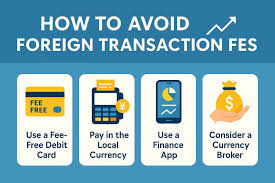
The good news is that avoiding these fees is totally doable. It just takes a little planning and the right tools. Think of it like packing the right gear for a hike. The right credit or debit card is your essential tool for smart international spending.
Get a Travel-Friendly Credit Card
This is your number one strategy. Many credit card companies offer cards with no foreign transaction fees. These are often called travel cards. They are designed for people who travel often. They want to reward customers for using their cards abroad.
When you look for a card, check the fine print. Make sure it explicitly states “no foreign transaction fees.” Don’t assume. Some travel cards still have them. You want a card where this is a key feature. These cards often come with other travel perks too. Things like travel insurance, airport lounge access, or rewards points for travel purchases.
Choose a Debit Card with No Foreign ATM Fees
If you plan to withdraw cash from ATMs abroad, you need to be careful. Your bank might charge you for using an out-of-network ATM. This is separate from a foreign transaction fee. But it’s another cost to avoid.
Look for a debit card that offers no foreign ATM fees. Many online banks and credit unions offer these. Some large banks also have options. Check if the bank reimburses you for fees charged by other ATMs. This is a great benefit. It means you can use any ATM you find and still save money.
Smart Spending Habits Abroad
Even with the right cards, how you use them matters. There are a few simple habits that can save you money.
Always Pay in Local Currency
When you’re at a shop or restaurant abroad, you might see a prompt on the card machine. It might ask if you want to pay in your home currency (USD) or the local currency. Always, always choose the local currency.
Why? Because the machine is likely using a service called Dynamic Currency Conversion (DCC). This service lets you see the price in your home currency. It sounds helpful. But it’s usually at a terrible exchange rate. The merchant or their payment processor sets this rate. It’s almost always worse than the rate your credit card company will give you.
So, if you’re in Spain and the price is 20 Euros, choose Euros. Don’t choose Dollars. If you choose Dollars, you’re letting the local merchant’s bank set the exchange rate. This is a sure way to get hit with an extra, hidden fee. Your credit card will process the conversion at a much fairer rate.
Avoid Airport and Tourist Area ATMs
ATMs in tourist hotspots and airports are often more expensive. They might charge higher fees. Or they might offer less favorable exchange rates. Try to find an ATM connected to a local bank. Look for ATMs that are not in a main tourist square. Banks usually have the best rates.
If you can, withdraw a larger amount less often. This reduces the number of times you pay a flat ATM fee. But balance this with the risk of carrying too much cash. Only take out what you feel comfortable carrying.
Track Your Spending
Keep a running tally of what you spend. Use a notebook or a travel app. This helps you stay on budget. It also lets you spot any unexpected fees quickly. If you see a charge you don’t recognize, investigate it. It might be a foreign transaction fee. Or something else entirely.
Types of Cards to Consider
Let’s dive a bit deeper into the kinds of cards that are best for avoiding these fees.
No-Foreign-Transaction-Fee Credit Cards
These are the stars of international travel. They have zero foreign transaction fees. Many of them also offer great rewards. Think cashback on purchases or travel points. These points can be redeemed for flights, hotels, or other travel expenses.
Some popular examples include:
Chase Sapphire Preferred Card
Capital One Venture Rewards Credit Card
Discover it Miles
Some versions of American Express Platinum or Gold
Always check the specific terms of any card. The benefits can change. And there might be annual fees for some premium cards. But for frequent travelers, the savings on fees and the rewards often make up for it.
No-Foreign-Transaction-Fee Debit Cards
These are great for getting cash. They can also be used for purchases where credit cards aren’t accepted. Many online banks are leading the way here. They often have no monthly fees and no foreign ATM fees.
Examples include:
Charles Schwab Bank High Yield Investor Checking Account
Capital One 360 Checking
Ally Bank Interest Checking Account
These cards are a great complement to a travel credit card. You have cash when you need it. And a card with no fees for purchases.
When You Might Not Be Able to Avoid Fees
Sometimes, despite your best efforts, you might still encounter fees. It happens.
Emergencies
If you forget your travel-friendly card, or it gets lost or stolen, you might have to use a card that has fees. In an emergency, the fee is less important than having access to funds. Just make a note to switch to a better card for your next trip.
Small Transactions
For very small purchases, the fee might be negligible. For example, a 3% fee on a $5 purchase is only $0.15. While it’s still a fee, it might not be worth stressing over. The bigger picture is to avoid fees on larger purchases.
Certain Merchants
Some very small local businesses might not accept credit cards. Or they might only accept cash. In these cases, you’ll have to use cash. This isn’t a fee issue, but it’s good to be prepared. Always carry some local currency for these situations.
A Personal Story: The Souvenir Blunder
I remember one trip to Italy a few years back. I was so excited. I’d found the perfect little ceramic bowl in a tiny shop in Florence. It was a small place. The owner was a sweet older woman. She only spoke a little English. I handed her my credit card. The machine beeped. She handed me the receipt.
Later, back in my hotel, I checked my bank app. I saw the charge. It looked right. But then I saw another, smaller charge. It was labeled “Foreign Transaction Fee.” It was only a few dollars. But I felt so annoyed. I thought I was smart. I had a travel card, or so I thought.
I pulled up the card details on my phone. And there it was. Buried in the fine print. This particular card, which I used for everyday spending, did have foreign transaction fees. It wasn’t my main travel card. I had used the wrong one without even thinking. That $5 souvenir ended up costing me more than it should have. It was a wake-up call. Now, I double-check my wallet before I leave. I make sure my no-fee cards are front and center.
Your Checklist for Fee-Free Travel
Here’s a simple checklist to make sure you’re prepared:
Get a travel credit card: Ensure it has no foreign transaction fees.
Get a travel debit card: Check for no foreign ATM fees and good exchange rates.
Know your cards: Understand which cards have fees and which don’t.
Always select local currency: When prompted by a card machine abroad.
Use ATMs wisely: Prefer bank ATMs over standalone machines in tourist areas.
Track your spending: Monitor your accounts for unexpected charges.
This simple preparation can save you a lot of money and hassle.
Credit Card vs. Debit Card for Foreign Purchases
Generally, credit cards are often better for foreign purchases than debit cards. Here’s why:
Better Protection: Credit cards offer more fraud protection. If your card is stolen or used fraudulently, it’s easier to dispute the charges. The money isn’t directly taken from your bank account.
Rewards: Many travel credit cards offer rewards points or cashback. This is a nice bonus on top of fee-free spending.
Exchange Rates: Credit card companies usually offer competitive exchange rates. This is often better than what you’d get from a debit card or a currency exchange service.
Debit cards are still important for withdrawing cash. But for purchases, a good credit card is usually the way to go.
The Role of Exchange Rates
Understanding exchange rates is also key. Banks and credit card networks (Visa, Mastercard, American Express) use wholesale exchange rates. These rates are very close to the market rate. They are updated constantly.
When you use Dynamic Currency Conversion (DCC), the merchant or their processor sets the rate. This rate often includes a markup. It’s their way of making extra profit. It’s like they’re selling you dollars at a higher price than they’re worth. Your bank’s rate will almost always be fairer.
For example, let’s say the real exchange rate is 1 USD = 0.90 EUR.
Your Card (Fee-Free): You buy something for €10. Your card converts it at a rate close to 0.90 EUR/USD. You’ll pay about $11.11 (plus any foreign transaction fee if your card has one).
DCC (Merchant’s Rate): The machine offers to charge you in USD. It might use a rate of 1 USD = 0.80 EUR. To get €10, you’d pay about $12.50. That’s an extra $1.39 for the same purchase. And this is before* any foreign transaction fee your card might have.
This shows why always choosing the local currency is so important. You get the benefit of your bank’s better exchange rate.
Impact on Your Travel Budget
Let’s talk numbers. Imagine a two-week trip to Europe. You spend about $150 per day. That’s $2,100 for the trip.
With a 3% foreign transaction fee: You’ll pay an extra $63.
With a 2% foreign transaction fee: You’ll pay an extra $42.
That’s not a small amount. That could pay for a nice dinner, a museum ticket, or a souvenir. Over many trips, these savings really add up. For travelers who go abroad often, choosing fee-free cards is essential. It’s one of the easiest ways to cut travel costs.
What If My Bank Doesn’t Offer These Cards?
It’s becoming rarer, but some traditional banks might not have many no-foreign-transaction-fee options. In this case, you have a few choices:
Open a new account: Consider an online bank. They often specialize in low fees and good travel benefits.
Use a prepaid travel card: Some companies offer prepaid cards that can be loaded with foreign currency. Check their fees carefully, though. Some have hidden charges.
Carry cash: For smaller expenses, you could convert cash before you leave. But this carries security risks. And you might not get the best exchange rate.
The best long-term solution is to get a credit or debit card specifically designed for travel. The initial effort to find and apply for one will pay off many times over.
Final Thoughts on Fee-Free Travel
Traveling should be about making memories, not about watching your money disappear into fees. Foreign transaction fees are one of the easiest expenses to avoid. By being a little prepared, you can make sure your money works for you. Not against you.
So, before your next adventure, take a few minutes. Check your wallet. See what cards you have. Make sure you have at least one credit card and one debit card that won’t charge you extra for using them abroad. And remember to always choose the local currency at the point of sale. Happy travels, and happy saving!
Frequently Asked Questions About Foreign Transaction Fees
What is a foreign transaction fee?
A foreign transaction fee is a charge from your bank or credit card issuer. It applies when you make a purchase in a foreign currency or with a foreign merchant. It’s usually a percentage of the transaction amount, like 1% to 3%.
How can I avoid foreign transaction fees on credit cards?
The best way is to get a credit card that specifically states “no foreign transaction fees.” Many travel-focused credit cards offer this benefit. Always check the card’s terms and conditions before you travel.
Are foreign ATM withdrawal fees the same as foreign transaction fees?
No, they are different. A foreign transaction fee is for purchases. A foreign ATM fee is charged by your bank for withdrawing cash from an ATM outside your bank’s network, especially in another country. Some banks also charge a fee for the ATM owner. Look for debit cards that have no foreign ATM fees or reimburse these charges.
When I travel, should I pay in U.S. dollars or the local currency if the card machine asks?
Always choose to pay in the local currency. If you choose to pay in U.S. dollars, the merchant’s bank will do the currency conversion. They usually offer a much worse exchange rate than your credit card company, effectively acting as a hidden fee.
Do all travel credit cards have no foreign transaction fees?
No, not all of them. While many travel cards waive these fees, some may still charge them. It is crucial to read the fine print and confirm that the specific card you choose has a “no foreign transaction fee” policy.
What are some good travel debit cards to avoid fees?
Some popular options include debit cards from online banks like Charles Schwab Bank, Capital One 360, and Ally Bank. These often come with no foreign ATM fees and no foreign transaction fees, along with other benefits.
Can I avoid fees if I buy something online from a foreign website?
Yes, the same rules apply. If the merchant’s bank is located outside the U.S., a foreign transaction fee may be charged. Using a travel credit card with no foreign transaction fees is the best way to avoid this.