Ever book a trip only to find your wallet feeling much lighter than expected? It happens to the best of us. Those little fees and unexpected charges can really add up.
Let’s dive into what those hidden travel costs are and how you can spot them before they surprise you.
Understanding Hidden Travel Costs
Travel feels amazing. It opens our eyes. But sometimes, the final bill is a shock.
Many costs aren’t obvious when you first plan. They sneak up on you. This guide will help you see them coming.
We will look at common traps. We will also share tips to avoid them.
Hidden travel costs are extra expenses not immediately clear when booking or planning a trip. These can include things like resort fees, baggage charges, foreign transaction fees, and optional activity markups. Being aware of these potential costs helps create a more accurate budget and avoids unpleasant surprises during your vacation.
The True Cost of Getting There
Flights are often the biggest piece of your travel budget. But the ticket price isn’t always the final number. Many airlines add fees for things you might expect.
Or they charge for things you don’t expect at all. It’s good to know these upfront.
Baggage Blues
Checked bags used to be free. Not anymore for most airlines. Each bag can cost you a good amount.
Sometimes, the fee depends on the bag’s weight. Or it changes based on how many bags you have. Even carry-on bags can have fees on some budget carriers.
Bag Fee Breakdown
Checked Bags: Usually start around $30-$40 for the first bag. The second bag is often more. Some airlines charge per leg of your journey.
Carry-On Bags: Some budget airlines charge for a full-sized carry-on. Small personal items are usually free.
Oversized/Overweight Bags: These incur hefty fees. Check airline limits before packing.
My own experience with baggage fees was during a quick weekend trip to Denver. I thought I could just bring one small duffel bag as my carry-on. On Spirit Airlines, even that was going to cost extra!
I ended up having to pay a fee for it. It felt like a waste of money for something so small. I learned my lesson to always check the specific airline’s rules.
Now I pack lighter or plan for the fees.
Seat Selection Fees
Want to pick your seat? Many airlines now charge for this. Standard seats might be free to choose at check-in.
But better seats, like those with more legroom or near the front, cost extra. If you don’t pay, the airline assigns your seat. You might end up separated from your travel mates.
In-Flight Extras
Food and drinks used to be part of the ticket. Now, many airlines charge for them. Even a small bottle of water can cost a few dollars.
Meals on longer flights are often expensive. Snacks also add up quickly. Bring your own empty water bottle to fill after security.
Pack some non-perishable snacks too.
Airport Changes and Delays
Flight schedules can change. Sometimes flights are delayed or canceled. If this happens, you might need to book a new flight.
Some airlines offer compensation. Others might leave you to figure it out. This can lead to unexpected hotel stays or meal costs.
Always check your airline’s policy on these situations. Travel insurance can help cover these costs.
Accommodation Surprises
Where you stay is a big part of your trip. Hotels and rentals can have hidden costs beyond the room rate. These can add up fast and change your budget plan.
Resort Fees
These are common in tourist destinations. Resort fees are often mandatory. They cover things like Wi-Fi, gym access, or beach towels.
But you might not use these services. The fee is usually per night. It can be $25 to $50 or even more.
Hotels don’t always highlight these fees. They can be buried in the fine print.
I remember staying at a nice hotel in Las Vegas. The room rate looked great online. But when I checked out, there was a $40 resort fee per night.
That added a lot to my bill! I didn’t use the pool much or the gym. It felt like paying for things I didn’t need.
I now look for total price before booking. I also check reviews for mentions of resort fees.
Resort Fee Watchlist
Look for: “Resort Fee,” “Amenity Fee,” “Daily Service Charge.”
Where to find it: Often in the “details,” “fees,” or “terms and conditions” section of booking sites.
Negotiation: Usually not negotiable, but know what’s included. If the Wi-Fi doesn’t work, you might have a case.
Cleaning Fees for Rentals
When you rent a house or apartment, there’s often a cleaning fee. This fee is usually a one-time charge. It can seem reasonable.
But sometimes, if you don’t leave the place tidy, you might be charged more. Always check the rental rules. Leave it in good condition to avoid extra charges.
Parking Fees
Hotels and rental locations often charge for parking. This can be a daily fee. It might seem small but adds up over a week.
Some places have free parking. Others might have valet services that cost more. If you plan to rent a car, factor this in.
Mini-Bar Markups
That tiny fridge in your hotel room can be a money trap. Items in the mini-bar are usually very expensive. Even a bottle of water can cost more than at a convenience store.
Avoid it if you can. Many hotels now have policies against filling them yourself, so check first.
Everyday Spending Surprises
Once you are at your destination, everyday spending can also hide costs. These are easy to overlook.
Foreign Transaction Fees
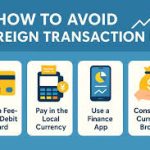
If you use your credit card or debit card outside your home country, you might get hit with these fees. Many U.S. cards charge about 3% on each transaction.
This applies to purchases and ATM withdrawals. Look for travel-friendly cards. These often have no foreign transaction fees.
Smart Card Choices
No Foreign Transaction Fees: Many travel rewards credit cards offer this perk.
Good Exchange Rates: Some cards offer better rates than others.
ATM Access: Check if your bank has partner ATMs abroad to avoid withdrawal fees.
I learned about foreign transaction fees the hard way in Europe. I used my regular debit card to get cash from an ATM. The bank charged me a fee.
Then my bank back home charged me another fee. It was nearly 6% of the money I withdrew! Now I have a travel card specifically for these situations.
It saved me so much money on my last trip.
ATM Withdrawal Fees
Even if your card has no foreign transaction fees, the local ATM might charge you. These are separate fees. Look for ATMs that are part of major bank networks.
They tend to have lower fees. Always select to be charged in the local currency. If the ATM asks if you want to be charged in USD, say no.
Their exchange rate is usually worse.
Currency Exchange Losses
Exchanging money at the airport or in tourist hotspots often gives you a bad exchange rate. You get less local currency for your dollars. It’s usually better to use an ATM.
Or use a credit card with no foreign transaction fees. If you must exchange cash, do it at a bank in the city.
Tipping Expectations
Tipping customs vary greatly by country. In the U.S., tipping is common and expected. In other places, it’s not.
Some countries include service charges in the bill. Others expect a small tip for good service. Research tipping etiquette for your destination.
Unexpected tips can add to your costs.
Connectivity Costs
Your phone plan might work abroad. But roaming charges can be very high. Using your data can cost a fortune.
Look into international plans from your carrier. Or buy a local SIM card when you arrive. Many cafes and hotels offer free Wi-Fi.
Use that when you can.
Activity and Excursion Markups
You are there to explore! But tours and activities can also have hidden markups.
Tour Operator Markups
Booking tours through your hotel or a local tourist office might be easy. But they often add a percentage to the tour cost. It’s often cheaper to book directly with the tour company.
Or book online in advance from reputable providers.
When I visited Machu Picchu, I wanted a guided tour. The hotel offered one for $100 per person. I thought it was a bit much.
I went to the town square and asked around. I found a small local guide who charged only $40. He was fantastic!
It paid to do a little legwork and not just accept the first offer.
“Free” Activities That Aren’t
Many cities offer “free walking tours.” These are great. But they rely on tips. The guides work hard.
So budget for a tip that reflects their effort. Sometimes, “free” attractions might have small fees for photos or specific areas. Always check what’s truly included.
Optional Upgrades
Many tours offer upgrades. This could be a better meal, a longer experience, or a private guide. These sound tempting.
But they add significant costs. Think about what you truly want. Are the upgrades worth the extra money?
Transportation Traps
Getting around your destination has its own set of potential costs.
Airport Transfers
Taxis from airports can be very expensive. Sometimes, there are official airport shuttles or public transport options that are much cheaper. Research these before you land.
Ride-sharing apps can also be an option. But check their pricing and availability.
Unmarked Ride-Sharing Fees
Ride-sharing apps can be convenient. But watch for surge pricing. This happens during peak times or bad weather.
Also, look for additional fees like tolls or airport surcharges. They might not be obvious until the end of the ride.
Car Rental Hidden Fees
Beyond the daily rate, car rentals have many extra costs. Insurance is a big one. The rental company’s insurance can be pricey.
Check if your personal car insurance or credit card covers rentals. Fuel charges can also be high if you don’t return the car with a full tank. And watch out for extra driver fees.
Rental Car Savings
Decline Insurance (Carefully): If covered elsewhere, say no. But understand your coverage!
Fuel Policy: Return with a full tank. Or choose the “pre-pay for fuel” option only if you’ll use it all.
Book Early: Prices often increase closer to the rental date.
Public Transport Passes
A travel pass for buses or trains can save money. But sometimes, the pass only covers certain zones or lines. If you go outside these, you might need to buy extra tickets.
Understand the pass’s limitations. Do the math to see if it’s cheaper than single tickets.
Food and Drink Pitfalls
Eating and drinking can be a joy. But it can also empty your pockets quickly.
Tourist Trap Restaurants
Restaurants in prime tourist spots often charge more. They might have less authentic food too. Look for places where locals eat.
Wander a few blocks away from major attractions. The prices are usually better. The food is often more delicious.
I was in Rome and starving. I sat at a cafe right next to the Trevi Fountain. The pasta was okay, but the bill was shocking.
Later, I found a small trattoria down a side street. The food was amazing, and the prices were half. It was a lesson in finding authentic, affordable eats.
Service Charges and Gratuities
As mentioned before, tipping is complex. In some countries, a service charge is already included. Check your bill.
If it is, an extra tip might not be needed. Or it could be a smaller gesture for great service.
Bottled Water Costs
Buying bottled water everywhere adds up. In many places, tap water is safe to drink. Or you can use a reusable filter bottle.
This saves money and reduces plastic waste. Always check local advice on tap water safety first.
The “Fine Print” Factor
So many costs are hidden in plain sight. They are in the details you skim over.
Cancellation Policies
Booking a non-refundable flight or hotel often saves money. But what if your plans change? You could lose all your money.
Read cancellation policies carefully. Non-refundable often means non-refundable. Even flexible rates have deadlines.
Insurance Exclusions
Travel insurance is smart. But it doesn’t cover everything. There are often exclusions.
These could be for pre-existing medical conditions. Or for activities considered high-risk. Understand what your policy covers.
And what it doesn’t cover.
I once bought travel insurance for a skiing trip. I assumed it covered any injury. I broke my arm on a beginner slope.
When I filed a claim, they said “extreme sports” had different rules. I ended up paying a lot for the medical care. It was a hard lesson to read the exclusions.
Administrative Fees
Sometimes, just to change a booking or get a refund, there’s an administrative fee. These can be surprisingly high. They are added for the “work” the company does.
Always try to avoid needing changes. Double-check all details before confirming.
How to Spot and Avoid Hidden Costs
Being a smart traveler means being prepared. Here’s how to find those sneaky charges.
Do Your Homework
Before booking anything, research thoroughly. Read recent reviews. Look for mentions of unexpected fees.
Websites like TripAdvisor or travel blogs are gold mines.
Check the official website of airlines, hotels, and attractions. They often have detailed fee structures. Don’t rely only on booking sites.
They sometimes simplify information too much.
Read the Fine Print
Yes, it’s boring. But essential. Look for sections on “fees,” “policies,” or “terms and conditions.” This is where resort fees, cancellation rules, and other charges are listed.
Compare Total Prices
When comparing options, don’t just look at the base price. Factor in all known fees. Use a calculator if needed.
A slightly higher base price with fewer fees might be cheaper overall.
Budgeting Checklist
- Flight: Base fare + baggage + seat selection
- Accommodation: Room rate + resort fee + parking
- Transportation: Airport transfers + local transport + car rental
- Activities: Tour costs + entrance fees + tips
- Food: Daily food budget + drinks + snacks
- Contingency: 10-15% of total for the unexpected
Use Travel-Friendly Financial Tools
Get a credit card with no foreign transaction fees. Consider a debit card from a bank that refunds ATM fees. These small things save money on every trip.
Pack Smart
Bring reusable water bottles. Pack snacks. Carry on if possible to avoid checked bag fees.
Think about what you truly need. Less stuff means fewer fees.
Ask Questions
If something isn’t clear, ask! Contact the hotel, airline, or tour operator directly. It’s better to know before you book than to be surprised later.
When Are These Costs Normal?
Some fees are unavoidable or standard practice. It’s good to know the difference. Resort fees are common in many tourist areas.
Baggage fees are now the norm for most airlines. Many countries have different tipping customs. Understanding these is part of experiencing a new culture.
The key is identifying costs that are excessive or deceptive. A fee for a service you didn’t use or know about is a problem. A wildly inflated price for a basic item is also a concern.
These are the ones to actively avoid or question.
When to Worry and What to Do
If you see a fee that wasn’t disclosed upfront, question it. If your credit card is charged for something you didn’t agree to, dispute it. If a hotel tries to charge you a resort fee they didn’t mention at booking, politely point that out.
Keep records of your bookings and all receipts.
For things like currency exchange rates, the “worry” is more about losing money. Being aware helps you make better choices. If you find a significant hidden cost that impacts your budget severely, you might need to adjust your spending for the rest of the trip.
Or look for ways to cut back on other areas.
Quick Tips for a Fiscally Fit Vacation
Pack a Snack Bag: Always good to have some non-perishable snacks.
Carry a Refillable Water Bottle: Save money and the planet.
Use Public Transport: Often cheaper and more interesting than taxis.
Look for “Happy Hour”: Great for cheaper drinks and appetizers.
Download Offline Maps: Save data and avoid getting lost (which can cost money!).
Learn a Few Local Phrases: Can sometimes help in bargaining or getting better service.
Frequently Asked Questions
What is the most common hidden travel cost?
Baggage fees on flights are probably the most common hidden cost today. Many airlines now charge for checked bags, and sometimes even carry-ons. It’s essential to check the airline’s policy before booking.
Are resort fees always unavoidable?
Resort fees are often mandatory. However, their transparency varies. Some hotels are upfront, while others bury them in the fine print.
Researching the hotel and destination beforehand is key. Sometimes, you can choose hotels that don’t charge them, especially if you prioritize basic amenities.
How can I avoid foreign transaction fees on my credit card?
The best way is to get a credit card that offers no foreign transaction fees. Many travel rewards cards provide this benefit. Always check your card’s terms and conditions before traveling abroad.
Is it better to exchange money at the airport or use an ATM?
Generally, using an ATM at your destination with a travel-friendly debit card is better. Airport exchange booths often have poor exchange rates. However, always check for ATM fees and choose to be charged in the local currency when prompted.
What should I do if I find an undisclosed fee at my hotel?
Politely point out that the fee was not disclosed at booking. Refer to your booking confirmation. If the hotel insists, you can try to negotiate or dispute the charge later with your credit card company.
Keeping records is crucial.
How much extra should I budget for hidden costs?
A good rule of thumb is to add 10-15% to your total estimated trip cost as a contingency fund. This buffer helps cover unexpected fees, small purchases, or spontaneous activities you might want to do.
Final Thoughts on Smart Travel Spending
Hidden travel costs are a reality. But they don’t have to ruin your trip. With a little research and awareness, you can navigate them.
Enjoy your travels without the financial stress. Be an informed traveler. Your wallet will thank you.